One Container, Seven Lessons: A US Product's Voyage Through the Ports That Define Pacific Commerce
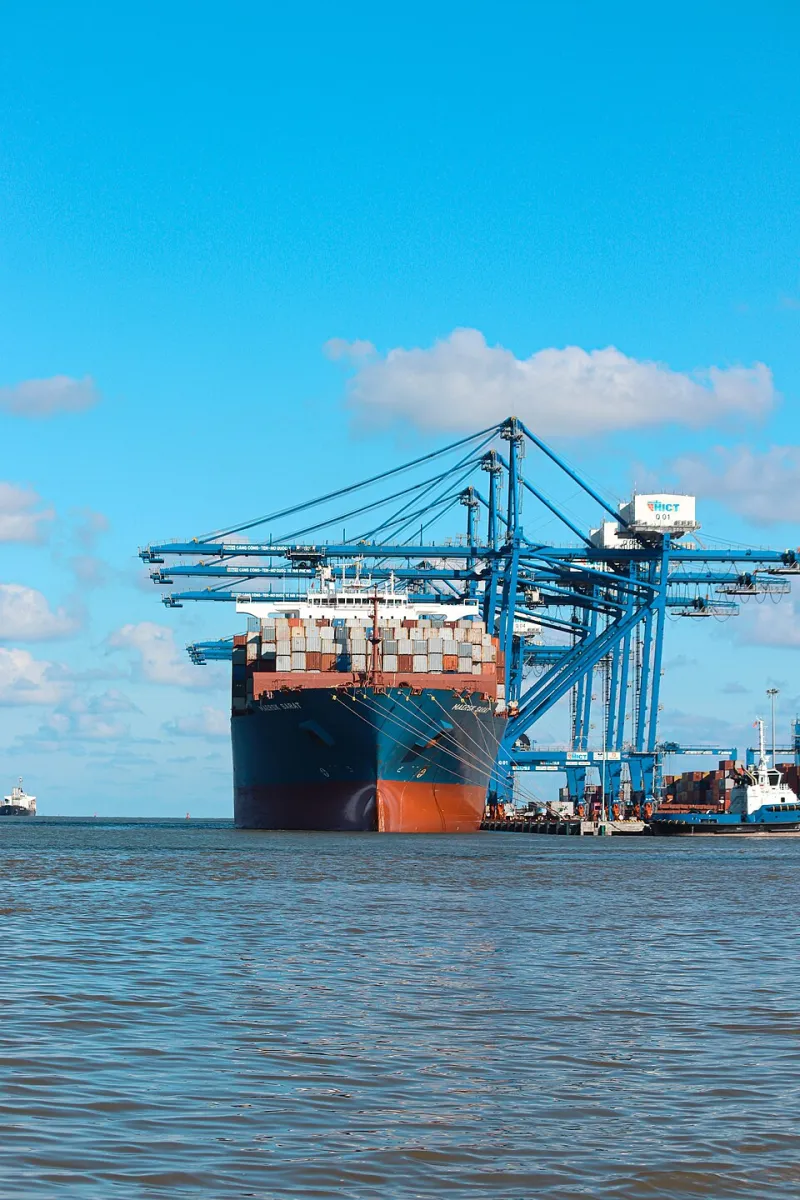
Photo: Nathan.cima, CC BY-SA 4.0, via Wikimedia Commons
Consider a hypothetical pallet of precision-manufactured components leaving a plant in Ohio, destined for distributors across Asia-Pacific. The freight quote says one number. The journey says seven very different stories. Each port this container touches teaches a lesson US logistics, retail, and manufacturing executives would do well to learn before their first shipment, not after.
Singapore: The Benchmark
Clearance at the Port of Singapore can take minutes. Its TradeNet system processes permits electronically with a efficiency that has become the region's gold standard. The lesson: Singapore rewards companies that use it as a regional hub — but its speed also means there is no slack for sloppy documentation. Errors surface instantly and publicly.
Port Klang: The Broker Economy
Malaysia's busiest gateway runs on a dense ecosystem of licensed forwarding agents. Navigating it without a strong local broker is technically possible and practically unwise. Licensing categories are granular — a product's tariff classification can determine whether it needs a permit from one ministry or three. The lesson: in some markets, your broker is your market entry strategy.
Da Nang: The Fast Follower
Vietnam's central port is younger, hungrier, and improving quickly, but procedures can vary between officers and between shipments. Duty exemptions for manufacturing inputs exist and are generous — if your paperwork anticipates them. The lesson: Vietnam rewards preparation over improvisation, and the payoff for getting certification right upfront is substantial.
Jakarta: The Local Content Question
Indonesia's Tanjung Priok presents the region's most consequential policy variable: local content regulations and evolving import restrictions that can reclassify a product's admissibility with little notice. A component welcome this quarter may face new registration requirements the next. The lesson: Indonesia demands a regulatory monitoring function, not just a freight forwarder.
Manila: The Documentation Depth
The Philippines' port of Manila has historically carried a reputation for clearance friction, though modernization is underway. What hasn't changed: the premium on complete, internally consistent documentation, and the value of an established customs liaison. The lesson: build administrative lead time into Philippine commitments that you would never need elsewhere.
Busan: The Systems Port
South Korea's Busan is a machine — highly automated, deeply integrated with its customs system, and unforgiving of non-standard labeling and marking requirements. Korean-language product labeling rules and strict standards certification catch unprepared US exporters. The lesson: South Korea is easy for companies that invest in compliance and hard for everyone else.
Yokohama: The Precision Test
Japan's ports are orderly to the point of demanding it from you. Advanced filing rules require cargo information before departure, and Japanese inspection standards for certain goods exceed US requirements. The lesson: Japan does not punish complexity — it punishes approximation.
What the Voyage Adds Up To
Seven ports, seven regulatory personalities, seven sets of hidden costs in demurrage risk, broker fees, re-labeling, and delay. No single market in this journey is insurmountable. The mistake US companies make is treating the region as one logistics surface with one playbook.
The container arrives eventually. The companies that studied the journey in advance arrive with margin intact — and a distribution network that compounds instead of bleeds.